
 1 hour ago
2
1 hour ago
2
President Donald Trump again put off a major escalation with Iran with an effort to revive diplomacy to open the Strait of Hormuz underway and the vice president voicing concerns, multiple sources and a U.S. official told ABC News.
The decision to hold off on further escalation came after a meeting at the White House on Friday, where top officials and advisers discussed a range of options, implications and concerns, according to the sources.
This is the latest instance of Trump threatening destruction or military action and stepping back, citing negotiations or diplomatic progress.
More than a month ago, the U.S. and Iran signed a memorandum of understanding, vowing to work over 60 days towards a final agreement, but Trump said earlier this month the MOU is "over" and the countries began striking each other again.
As part of the discussion, both Gen. Dan Caine, the chairman of the Joint Chiefs of Staff, and Vice President JD Vance voiced concerns about escalating the war in Iran, two sources told ABC News.
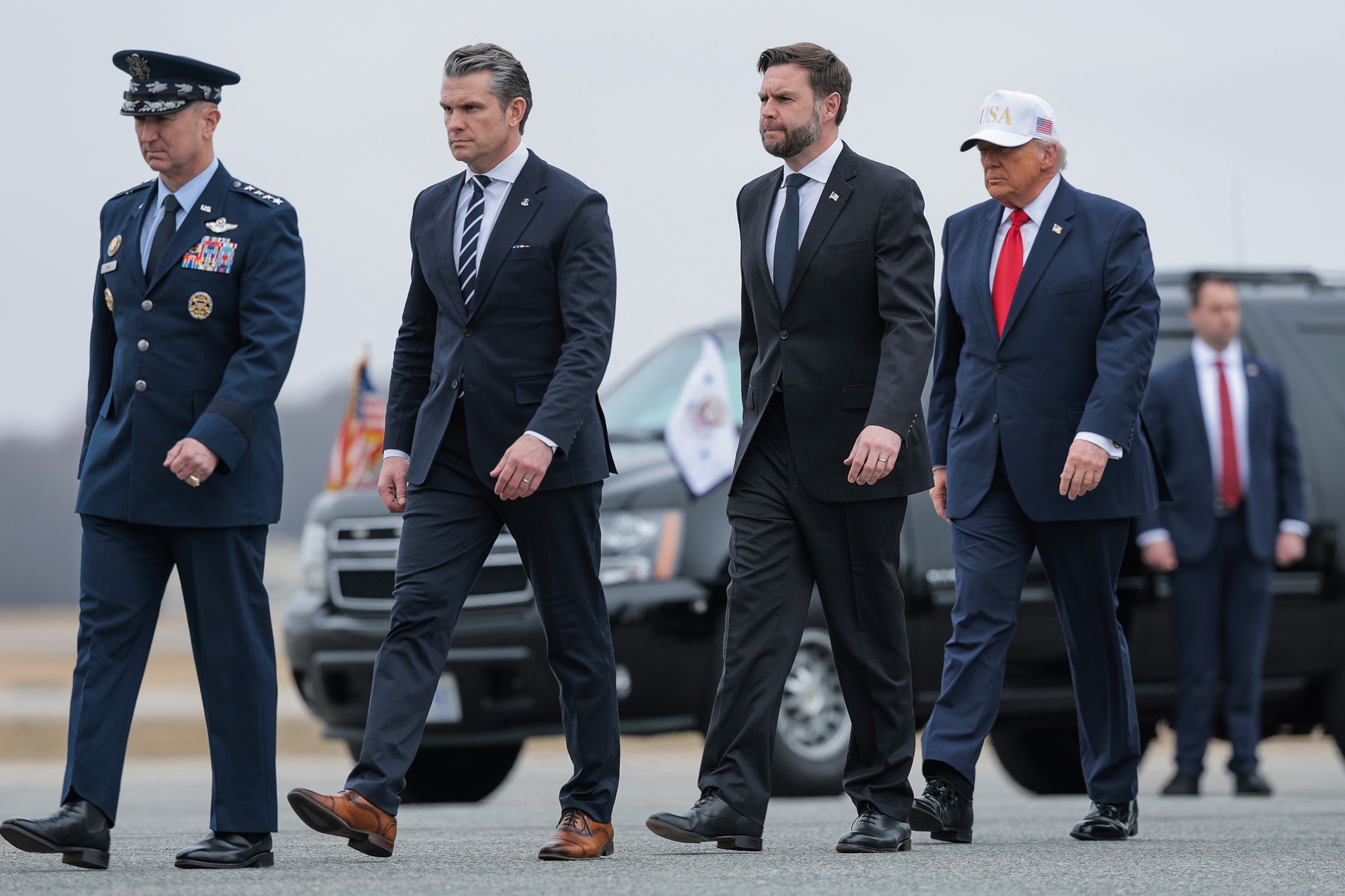
Chairman of the Joint Chiefs Of Staff Gen. Dan Caine, Secretary of War Pete Hegseth, Vice President JD Vance and President Donald Trump arrive for a dignified transfer event at Dover Air Force Base, March 7, 2026, in Dover, Del.
Anna Moneymaker/Getty Images
Caine told the president that the U.S. military was capable of carrying out the options he was considering but laid out possible negative implications, including the further depletion of munitions stockpiles, sources said.
Sources described the munitions as one of many factors taken into consideration by the president and his national security team.
Vance, who has taken the lead on diplomatic talks, continued to advocate for a diplomatic solution, sources said.
In an interview with Axios on Monday, the president said, "All of the people that deal with Iran asked me: 'Don't fire.'"
In a statement to ABC News, Trump said: "We have far more munitions than anyone in the world, and far more than we need."
The president went on to accuse the Biden administration of diminishing the stockpile.
"Our defense companies are, at this moment, making more munitions than they have ever made before, in addition to expanding their plants and equipment at record levels. And as we build up, we will start issuing more to our allies in Europe and elsewhere," the president added.
In a statement, a spokesperson for Caine said, “We do not comment on the confidential military advice the Chairman provides the President."
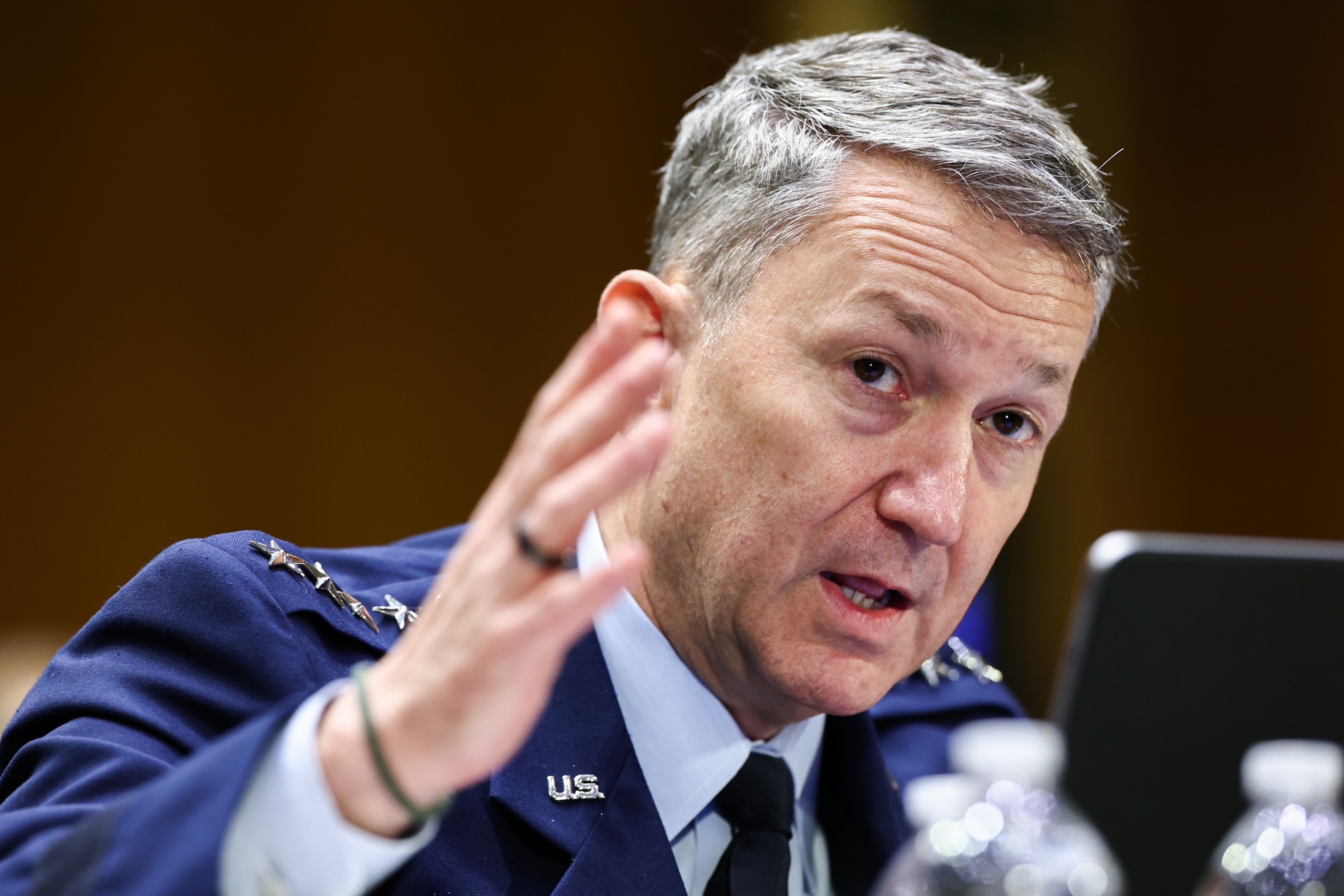
Chairman of the Joint Chiefs of Staff Gen. Dan Caine speaks during a Senate Appropriations Committee hearing in the Dirksen Senate Office Building on Capitol Hill, July 21, 2026, in Washington, D.C.
Finn Gomez/Getty Images
A U.S. official told ABC News that despite an escalation in attacks, there has been a "drumbeat" of diplomatic talks at the technical level that has shown the possibility of progress on key issues including the Strait of Hormuz.
"The duck has been paddling below the surface," the official said.
Iran's Deputy Foreign Minister Kazem Gharibabadi said the Iranian delegation has made no pleas or requests to continue negotiations.
White House communications director Steven Cheung said in a statement, "President Trump has always been consistent in saying he prefers a diplomatic solution, but he continues to retain all options if Iran continues terrorist activities in the Strait of Hormuz or against allies."







 English (US) ·