
 1 hour ago
4
1 hour ago
4
When Myanmar’s junta seized power in a 2021 coup, Elle* and a fellow doctor fled to the jungle to provide aid to the resistance movement, one of 45,000 healthcare workers to lend their support.
Elle does not regret her decision, she supports the pro-democracy movement and later married the doctor with whom she escaped, but years of sacrifice have taken a toll. She treats patients from refugee camps at a clinic but does not earn enough to send money back to support her parents in their old age, which is her greatest wish.
“We did everything we could for our country,” she says. “But for ourselves and our families, we feel like we are failing.”
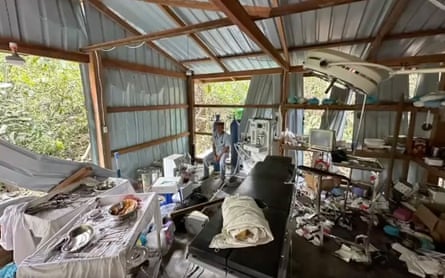
Five years into the civil war, the military has recently gained ground, bolstered by tens of thousands of new conscripts as well as weapons from China. After years of being targeted by the junta, Myanmar’s healthcare workers face a desperate situation, despite their enormous personal sacrifices, experts say the fragmented healthcare system is on the verge of collapse with increasing attacks on health infrastructure and a critical lack of essential medical supplies.
Attacks on health care sites increased significantly, driven by intensified airstrikes, with the World Health Organization (WHO) verifying 70 attacks, 148 deaths and 186 injuries in 2025.
Dr Andrew Green, chair of the British Medical Association’s (BMA) medical ethics committee, told a webinar this month that “the violations of international humanitarian law, and the principle of medical neutrality have resulted in the reduction, or, indeed, the complete destruction of medical services in the country.”
The overall effect, he said, was that Myanmar’s healthcare system was now “on the very brink of collapse”.
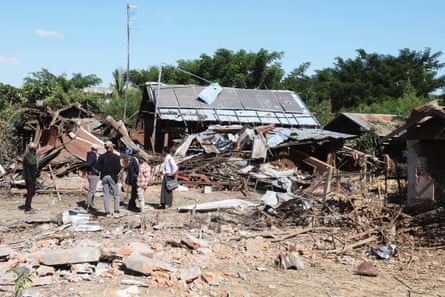
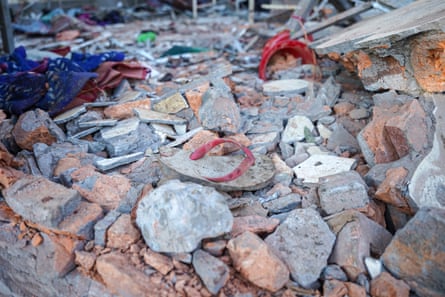
Military blockades have also compounded severe shortages of essential medical supplies across the country, including bandages, antiseptic, antibiotics, IV fluids and malaria tests as well as maternal and child health supplies.
The shortages have in some areas triggered a resurgence of malaria, and outbreaks of other preventable diseases due to the rise in unsafe drinking water, while routine health programs have been interrupted.
The ailing system presents a crucial barrier to the more than 16 million people who require life-saving assistance and protection services in the country, according to the WHO.
‘Clinics have been targeted from the air again and again’
Following a series of humiliating defeats in 2024, the military recaptured some ground this year. The gains amount to a small slice of overall territory but carry strategic value as they disrupted the resistance’s supply lines and operations.
More than 100,000 people have now been killed since the conflict began in 2021, according to monitor ACLED (Armed Conflict Location & Event Data). In a six-month period around the elections, which ended in January and were widely condemned as a sham, the military was responsible for at least 702 civilian deaths, according to the UN.
The healthcare industry has not been immune from the violence. There have been at least 1,948 incidents of violence against, or obstruction of access to healthcare staff, with 932 health workers arrested and 175 killed since the start of the conflict, according to data from Insecurity Insight.
“These were not accidents of war,” a doctor from Global Health Partnerships, originally from Myanmar who wished to remain anonymous, told the BMA webinar.
“Clinics in contested regions have been targeted from the air again and again, precisely because they kept communities alive and resistant to the military rule,” the doctor said.
The junta has previously denied civilian deaths at healthcare sites, saying those killed or injured were not civilians, but terrorists and their supporters.
Even before the conflict, there was a shortage of healthcare professionals, with only one health worker per 1,000 in Myanmar. Now, many professionals have been forced to suspend clinical practice, flee to safer areas, or leave the country.
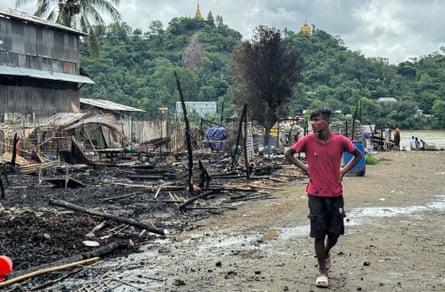
As Elle reflects on her decisions – she once had a position at a prestigious hospital – there are mixed emotions.
Lacking phone reception, it was months before her husband learned his mother had died.
Elle gave birth to her first child at a clinic for refugees, making the dangerous journey by motorbike to a border area. Eight days later, authorities arrested her husband, and she went through postnatal depression.
Her husband was eventually released and together they now treat patients from refugee camps at a clinic, including many victims of the civil war.
Despite their training, the impacts of the conflict are sometimes hard to bear.
“Doctors see death,” she says, “But when I see dying [from this war], and especially children, injured or dying, it hurts.”
“Now that I’m a mother,” she adds. “It could be my son.”
* Name has been changed






 English (US) ·