
 1 hour ago
2
1 hour ago
2
President Donald Trump sharply criticized oil giants Exxon and Chevron over blockbuster profits they earned in part as a result of high oil prices due to the Iran war.
"They're making too much money," Trump told reporters in the Oval Office on Monday, referring to the two Texas-based companies.
Trump urged Exxon and Chevron to slash retail fuel prices, accusing them of hiking wartime prices too high.
"[It's] too much money. You're surprised? I'm saying it. I'll say it loud and clear," the president added.
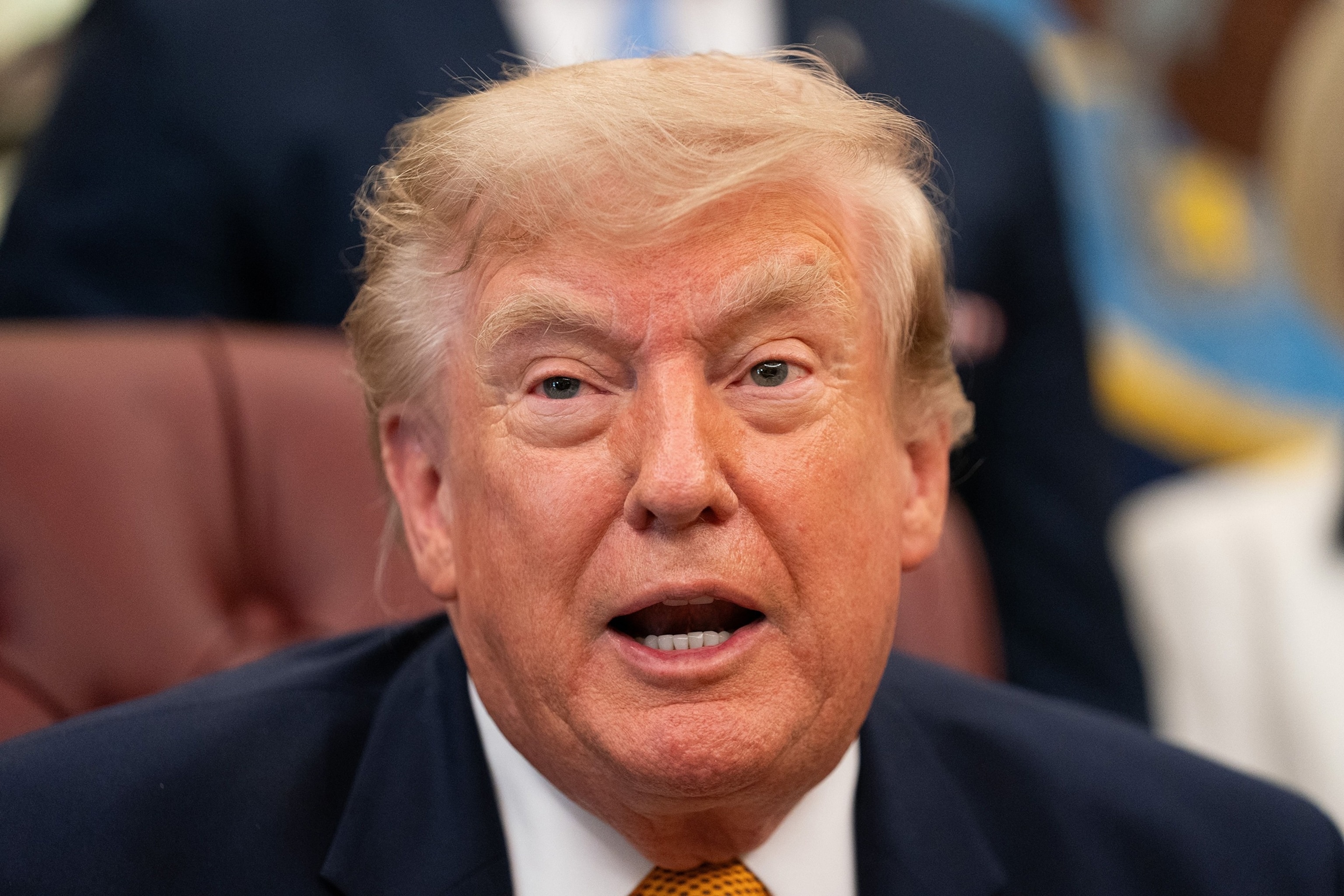
Donald Trump speaks during an executive order signing ceremony in the Oval Office of the White House in Washington, DC, Aug. 3, 2026.
Allison Robbert/POOL/EPA/Shutterstock
The Iran war, which began with the Feb. 28 attacks on Iran by the U.S. and Israel, triggered a historic oil shortage that sent petroleum prices soaring and hammered motorists at the pump. Those sky-high prices also helped some oil companies record substantial profits.
Chevron posted $12 billion in profits over three months ending in June, which marked a staggering rise of nearly 400% from the same period a year earlier, the company reported last month.
Exxon, meanwhile, reported quarterly profits of $14.5 billion, more than doubling its performance from the same three months a year earlier, a July earnings report showed.
Exxon and Chevron both declined to respond to ABC News' request for comment about Trump's remarks.
In last month's earning's report, Exxon appeared to acknowledge a favorable pricing environment while touting the company's performance.
“Markets were supportive, but our performance reflected the strength of the portfolio and operating model we have built over many years," said Darren Woods, Exxon's chairman and CEO.
"As conditions changed, we moved products where they were needed, optimized assets, and supported customers, leveraging our global integrated portfolio," Woods added.
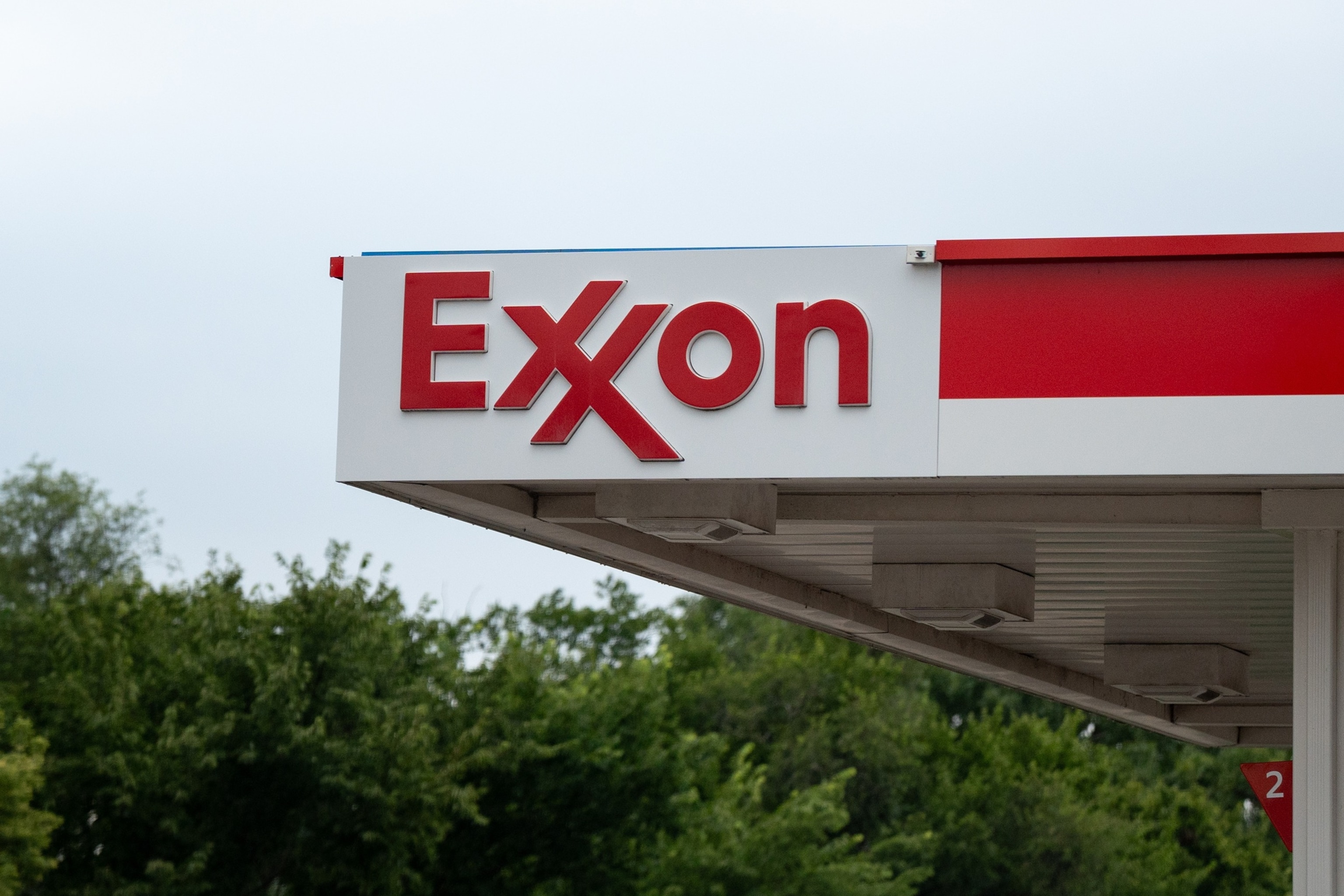
An Exxon gas station logo sign is seen in Chicago, Illinois, United States, on July 25, 2026.
Marcin Golba/NurPhoto via Getty Images
Mike Wirth, chairman and CEO of Chevron, touted the company's performance under circumstances marked by "geopolitical uncertainty and market volatility."
"Chevron's people remain focused on safely delivering reliable energy the world needs," Wirth said in the company's most recent earnings report. "Our strong second quarter is a result of disciplined investment and strong execution that drove record U.S. upstream production, record crude throughput in our U.S. refineries, and exceptional reliability across key assets."
The start of the Iran war prompted Iran's effective closure of the Strait of Hormuz, a critical waterway that facilitates the transport of about one-fifth of the global oil supply.
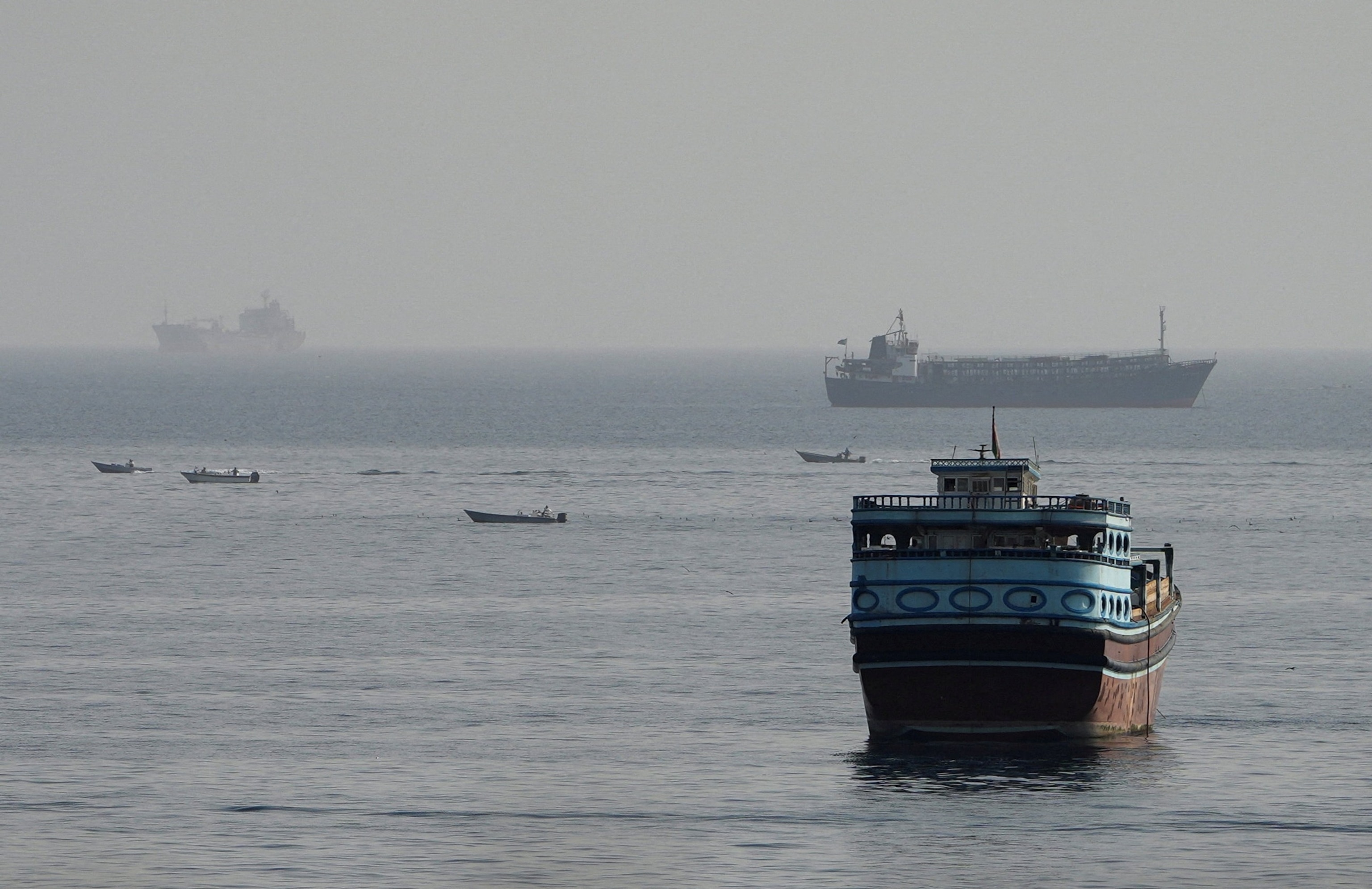
Vessels in the Strait of Hormuz, as seen from Musandam, Oman, August 3, 2026.
Reuters
Brent crude futures, a measure of global oil prices, had soared more than 60% over pre-war prices by the end of March, rising as high as $119 a barrel. Global crude prices fell as low as $86 per barrel in mid-April after an Iranian official said the country had opened the Strait of Hormuz.
Over recent months, oil prices have swung dramatically in response to on-again, off-again fighting and repeated White House statements that an end to the war was near, though those prices have largely remained elevated over pre-war levels.
In June, oil prices briefly fell to their lowest level since before the war on news that a preliminary peace agreement had been reached. A resumption of large-scale fighting between the U.S. and Iran, however, cast doubt over the staying power of that deal.
As of Tuesday afternoon, global oil prices stood at $79.40 a barrel, having dropped after Treasury Secretary Scott Bessent told CNBC said there may soon be a deal to open the Strait.
Oil prices account for a large share of the price of auto gasoline. The average price of a gallon of gas currently stands at $4.08, according to AAA, marking a nearly 37% jump since the Iran war began.






 English (US) ·