
 58 minutes ago
2
58 minutes ago
2
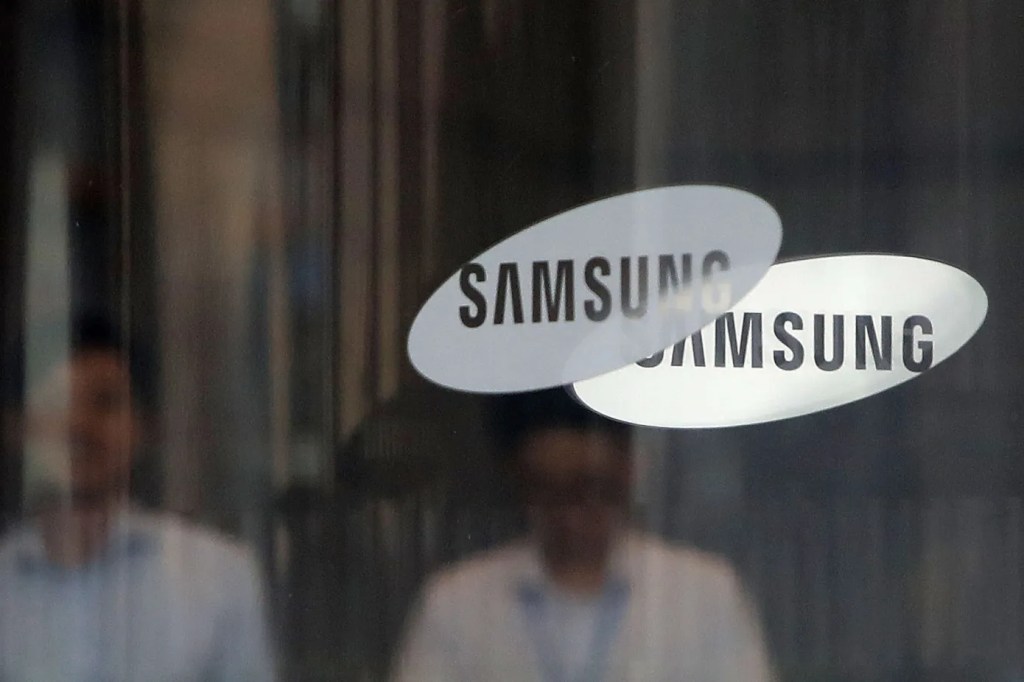 Image Credits:Chung Sung-Jun / Getty Images
8:37 AM PDT · July 31, 2026
The ongoing shortage of RAM chips is not only expected to persist into the next year, but will likely intensify in 2027, with tight supply conditions lasting until at least 2028, according to Samsung, which manufactures and supplies roughly a third of the world’s memory chips.
Samsung said in its Q2 earnings call that frontier AI labs, desperate to obtain access to memory infrastructure, have been “sharing their medium- to long-term demand forecasts” directly with the Korean tech giant to secure future supply.
The high demand enables Samsung to prioritize customers willing to sign long-term contracts. This multi-year visibility will allow the company to install equipment and ramp up production without worrying that demand will dry up, helping it avoid the memory industry’s historical boom-and-bust cycles.
Memory shortages driven by the AI boom have also pushed up chip prices in recent months. This has been a double-edged sword for Samsung: While sales at its semiconductor unit hit an all-time high in Q2, profitability in its smartphone and TV divisions shrank, as the higher-priced chips drove up component costs.
Samsung has even started passing some of those increasing component costs on to consumers by increasing the prices of its Galaxy smartphones and tablets. However, as a result, demand for these devices has dropped.
The memory shortage, informally dubbed “the RAMaggedon”, has also forced Apple, Samsung’s archrival, to raise the prices of its Macbooks, Macs and iPads last month. On its latest earnings call, Apple warned that revenue growth for the upcoming quarter is projected to slow to between 9% and 11% year-over-year, down from its recent 16% quarterly growth rate.
With memory manufacturers shifting production capacity toward AI data centers and away from consumer electronics, consumers are facing a new reality: higher device prices. Nvidia is expected to raise its consumer graphics card prices by 20% to 30%, which may further drive up prices of gaming devices, desktop computers, consoles, laptops, and the like.
When you purchase through links in our articles, we may earn a small commission. This doesn’t affect our editorial independence.
Marina Temkin is a venture capital and startups reporter at TechCrunch. Prior to joining TechCrunch, she wrote about VC for PitchBook and Venture Capital Journal. Earlier in her career, Marina was a financial analyst and earned a CFA charterholder designation.
You can contact or verify outreach from Marina by emailing marina.temkin@techcrunch.com or via encrypted message at +1 347-683-3909 on Signal.








 English (US) ·