Biography of John Dramani Mahama: A story of resilience and courage in the face of adversity
📍 Ghana • by Concernedcitizen • Jul 04, 2026
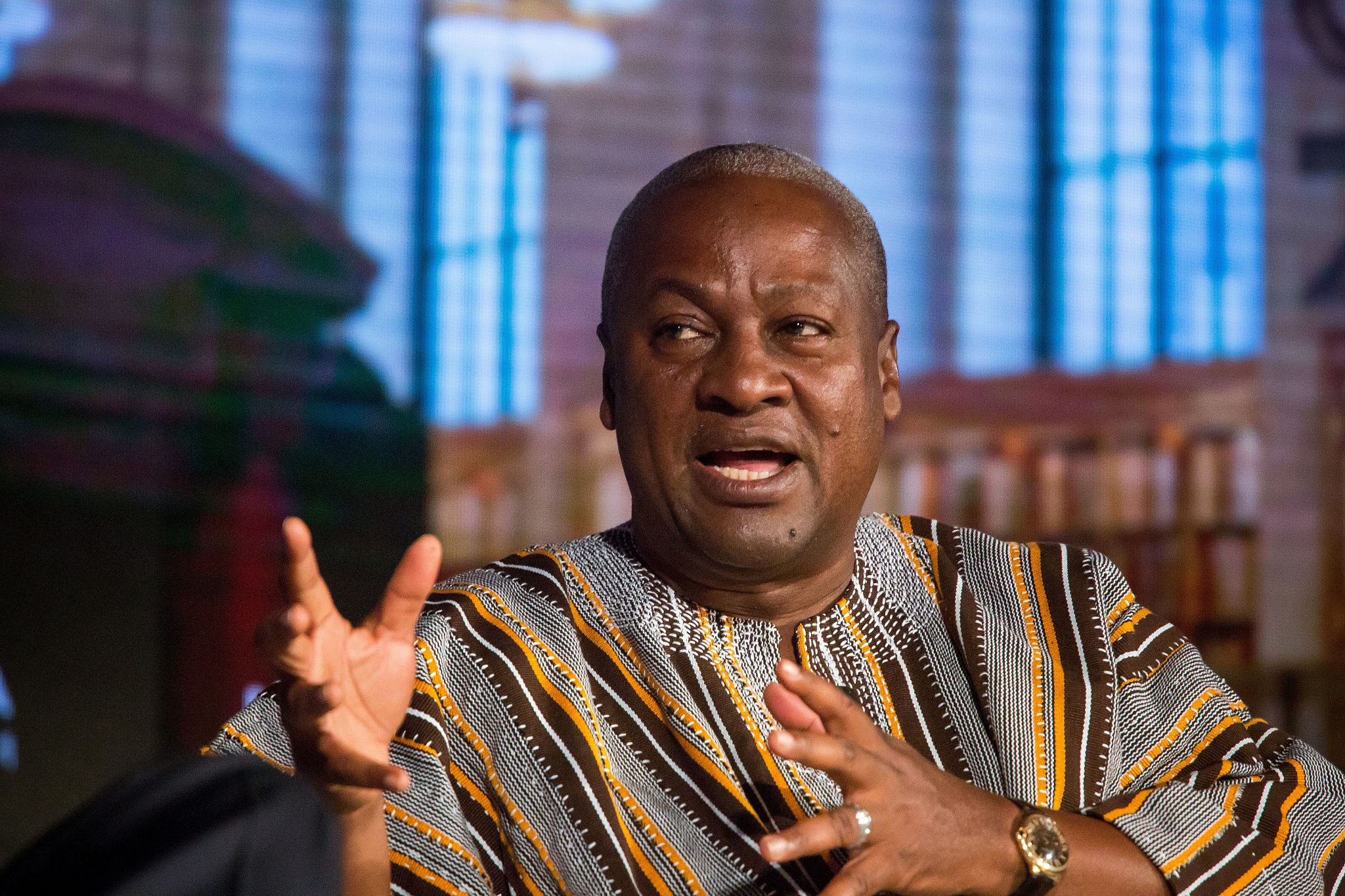
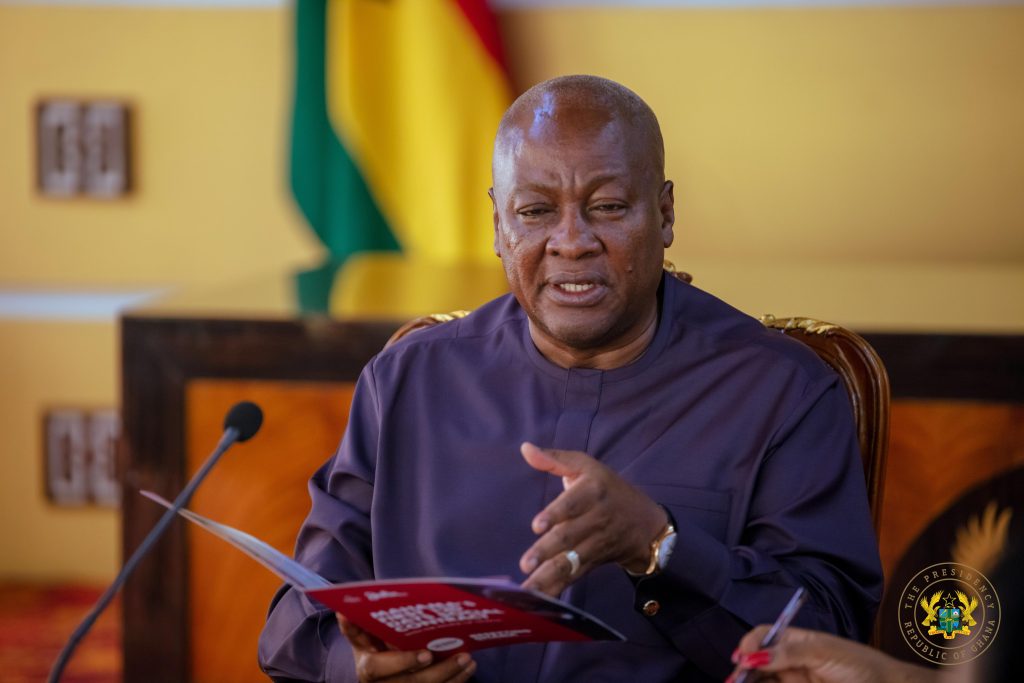
John Dramani Mahama stands as one of the most prominent, resilient, and historic figures in Ghana’s modern political history. A writer, historian, and communication expert by training, Mahama achieved a singular milestone in Ghanaian democracy by successfully scaling every layer of political leadership: serving as an Assembly Member, a Member of Parliament, a Minister, a Vice President, and ultimately, President.
Following his remarkable victory in the December 2024 elections, Mahama broke new ground by becoming the first president in Ghana's history to be democratically elected to a non-consecutive second term, returning to power on January 7, 2025.
Early Life and Roots
John Mahama was born on November 29, 1958, in Damongo, located in what is now the Savannah Region of Ghana. He was born into a deeply political and affluent family. His father, Emmanuel Adama Mahama, was a wealthy rice farmer, a teacher, and a prominent politician who served as the first Member of Parliament for the West Gonja constituency and the first Regional Commissioner for the Northern Region under Ghana’s founding president, Dr. Kwame Nkrumah.
Mahama spent his earliest years with his mother, Abiba Nnaba, in Damongo, before moving to the capital city, Accra, to live with his father. Growing up in a highly educated environment shaped his early love for literature, history, and social issues.
Education and Intellectual Background
Mahama began his primary education at the elite Achimota Basic School in Accra and later proceeded to Ghana Secondary School (Ghanasco) in Tamale for his ordinary and advanced level education.
His academic journey path is built across history and communications:Bachelor of Arts in History (1981): Earned from the premier University of Ghana, Legon. Following his graduation, he taught history at Ghana Secondary School for a brief window before temporarily relocating to Nigeria due to the prevailing economic and political instability in Ghana. Postgraduate Diploma in Communication Studies (1986): Completed upon his return to the University of Ghana, reflecting his desire to build bridges through media and public communication. Postgraduate Degree in Social Psychology (1988): Earned from the Institute of Social Sciences in Moscow, Russia. His time in the Soviet Union during the sunset of the Cold War heavily influenced his views, teaching him to look past rigid ideological dogmas in favor of practical solutions tailored to a nation's specific economic realities. Before diving into formal politics, Mahama worked as the Information, Culture, and Research Officer at the Embassy of Japan in Accra (1991–1995) and later served as the International Relations and Communications Manager for Plan International Ghana, a global humanitarian organization.
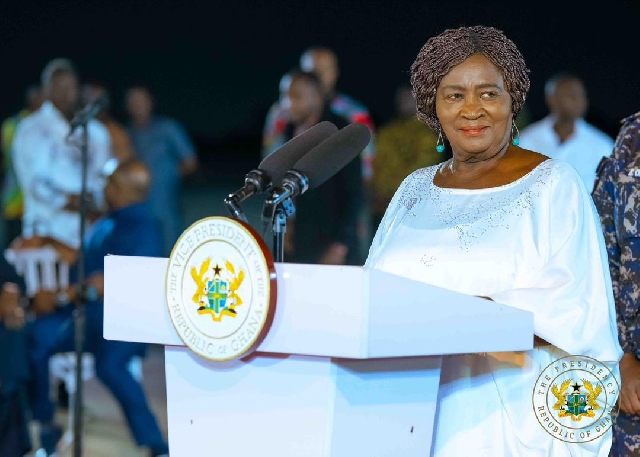
Political Ascent (1996–2009)Mahama officially entered the political arena in 1996 when he joined the National Democratic Congress (NDC). He contested and won the parliamentary seat for the Bole-Bamboi constituency, serving as an MP for three consecutive terms (1997 to 2009). His communication prowess caught the attention of President Jerry John Rawlings, who appointed him Deputy Minister of Communications in 1997. By November 1998, Mahama was promoted to substantive Minister of Communications, a role he held until the NDC transitioned to opposition in 2001. During his ministerial tenure, he also served as the Chairman of the National Communications Authority (NCA), playing an instrumental role in stabilizing and shaping Ghana's telecommunications sector after its deregulation. When the NDC was in opposition throughout the 2000s, Mahama remained highly visible as the Minority Parliamentary Spokesman for Communications and later as the Spokesman for Foreign Affairs. Vice Presidency and The Sudden Transition (2009–2012)In 2008, the NDC presidential candidate, Professor John Evans Atta Mills, selected Mahama as his vice-presidential running mate. The duo won a razor-thin, historically tight election, and Mahama was sworn in as Vice President of Ghana on January 7, 2009. On July 24, 2012, Ghana was thrust into shock and grief when President Atta Mills unexpectedly passed away in office, just months before the next general election. Following strict constitutional protocols, John Mahama was sworn in as President that very evening, executing a seamless transition of power that drew praise from the international community. The First Presidency (2012–2017)Mahama went on to lead the NDC into the December 2012 general elections, securing a victory against Nana Addo Dankwa Akufo-Addo of the New Patriotic Party (NPP). He was officially inaugurated for a full term on January 7, 2013. Key Milestones & Infrastructure DriveMahama's first full term was defined by a massive infrastructure push termed the "Big Push." His government heavily invested capital into critical sectors to position Ghana as a resilient lower-middle-income nation: Health: Construction of the ultra-modern Greater Accra Regional Hospital (Ridge), the University of Ghana Medical Centre (UGMC), and various district hospitals.Transport & Aviation: Expansion of the Kotoka International Airport (Terminal 3), upgrading the Tamale and Kumasi airports, and building the Kwame Nkrumah Interchange.Education: Introduction of the Community Day Senior High Schools project to widen access to secondary education.Gender Parity: Under his stewardship, Ghana achieved gender parity in basic education, and he placed women in key positions, including appointing the first female Chief Justice and first female Chairperson of the Electoral Commission. Challenges & Economic HeadwindsDespite the heavy investment in infrastructure, his administration faced intense economic stress. A severe, systemic power crisis—colloquially termed "Dumsor"—caused widespread disruptions to businesses and homes. Falling global commodity prices for Ghana’s primary exports (gold, oil, and cocoa), coupled with a rising public debt wage bill, forced his government to enter a multi-year IMF bailout program.The combination of economic hardships and corruption allegations leveled against his administration eroded his popularity. In the December 2016 elections, Mahama lost the presidency to Nana Akufo-Addo, making him the first sitting democratic president in Ghana's Fourth Republic to lose a re-election bid. The Path Back and Historic Return (2017–2025+)Proving his political resilience, Mahama remained the undisputed leader of the NDC. He contested the 2020 election but lost closely to Akufo-Addo. However, economic troubles, high inflation, and severe fiscal distress under the NPP government over the next four years shifted public sentiment back toward Mahama's record of infrastructure and economic stability. In May 2023, Mahama swept the NDC primaries with 98.9% of the vote. Campaigning heavily on his "24-Hour Economy" initiative—a policy designed to maximize industrial output and create job opportunities—Mahama won a decisive victory in the December 2024 elections against Vice President Mahamudu Bawumia. He assumed office on January 7, 2025, alongside his Vice President, Professor Jane Naana Opoku-Agyemang. His second term focuses heavily on structural reforms, aggressive anti-corruption frameworks like the CEO-Government Compact, and pivoting toward an IMF non-financial Policy Coordination Instrument (PCI) to restore fiscal discipline and market confidence. Personal Life, Authorship, and International RolesJohn Mahama is a devoted Christian and has been married to Lordina Mahama for over three decades; they share a large family. Beyond politics, Mahama is an accomplished author. In 2012, he published his widely praised memoir, My First Coup d'État and Other True Stories from the Lost Decades of Africa, which explores the history of post-independence Africa through personal narratives. On the global stage, Mahama has consistently served as an ambassador for peace and democracy. He has led multiple ECOWAS and African Union (AU) election observation and mediation teams across the continent. He serves as the Second Vice Chairperson of the African Union and continues to advocate for intra-African trade through the African Continental Free Trade Area (AfCFTA).
Following his remarkable victory in the December 2024 elections, Mahama broke new ground by becoming the first president in Ghana's history to be democratically elected to a non-consecutive second term, returning to power on January 7, 2025.
Early Life and Roots
John Mahama was born on November 29, 1958, in Damongo, located in what is now the Savannah Region of Ghana. He was born into a deeply political and affluent family. His father, Emmanuel Adama Mahama, was a wealthy rice farmer, a teacher, and a prominent politician who served as the first Member of Parliament for the West Gonja constituency and the first Regional Commissioner for the Northern Region under Ghana’s founding president, Dr. Kwame Nkrumah.
Mahama spent his earliest years with his mother, Abiba Nnaba, in Damongo, before moving to the capital city, Accra, to live with his father. Growing up in a highly educated environment shaped his early love for literature, history, and social issues.
Education and Intellectual Background
Mahama began his primary education at the elite Achimota Basic School in Accra and later proceeded to Ghana Secondary School (Ghanasco) in Tamale for his ordinary and advanced level education.
His academic journey path is built across history and communications:Bachelor of Arts in History (1981): Earned from the premier University of Ghana, Legon. Following his graduation, he taught history at Ghana Secondary School for a brief window before temporarily relocating to Nigeria due to the prevailing economic and political instability in Ghana. Postgraduate Diploma in Communication Studies (1986): Completed upon his return to the University of Ghana, reflecting his desire to build bridges through media and public communication. Postgraduate Degree in Social Psychology (1988): Earned from the Institute of Social Sciences in Moscow, Russia. His time in the Soviet Union during the sunset of the Cold War heavily influenced his views, teaching him to look past rigid ideological dogmas in favor of practical solutions tailored to a nation's specific economic realities. Before diving into formal politics, Mahama worked as the Information, Culture, and Research Officer at the Embassy of Japan in Accra (1991–1995) and later served as the International Relations and Communications Manager for Plan International Ghana, a global humanitarian organization.
Political Ascent (1996–2009)Mahama officially entered the political arena in 1996 when he joined the National Democratic Congress (NDC). He contested and won the parliamentary seat for the Bole-Bamboi constituency, serving as an MP for three consecutive terms (1997 to 2009). His communication prowess caught the attention of President Jerry John Rawlings, who appointed him Deputy Minister of Communications in 1997. By November 1998, Mahama was promoted to substantive Minister of Communications, a role he held until the NDC transitioned to opposition in 2001. During his ministerial tenure, he also served as the Chairman of the National Communications Authority (NCA), playing an instrumental role in stabilizing and shaping Ghana's telecommunications sector after its deregulation. When the NDC was in opposition throughout the 2000s, Mahama remained highly visible as the Minority Parliamentary Spokesman for Communications and later as the Spokesman for Foreign Affairs. Vice Presidency and The Sudden Transition (2009–2012)In 2008, the NDC presidential candidate, Professor John Evans Atta Mills, selected Mahama as his vice-presidential running mate. The duo won a razor-thin, historically tight election, and Mahama was sworn in as Vice President of Ghana on January 7, 2009. On July 24, 2012, Ghana was thrust into shock and grief when President Atta Mills unexpectedly passed away in office, just months before the next general election. Following strict constitutional protocols, John Mahama was sworn in as President that very evening, executing a seamless transition of power that drew praise from the international community. The First Presidency (2012–2017)Mahama went on to lead the NDC into the December 2012 general elections, securing a victory against Nana Addo Dankwa Akufo-Addo of the New Patriotic Party (NPP). He was officially inaugurated for a full term on January 7, 2013. Key Milestones & Infrastructure DriveMahama's first full term was defined by a massive infrastructure push termed the "Big Push." His government heavily invested capital into critical sectors to position Ghana as a resilient lower-middle-income nation: Health: Construction of the ultra-modern Greater Accra Regional Hospital (Ridge), the University of Ghana Medical Centre (UGMC), and various district hospitals.Transport & Aviation: Expansion of the Kotoka International Airport (Terminal 3), upgrading the Tamale and Kumasi airports, and building the Kwame Nkrumah Interchange.Education: Introduction of the Community Day Senior High Schools project to widen access to secondary education.Gender Parity: Under his stewardship, Ghana achieved gender parity in basic education, and he placed women in key positions, including appointing the first female Chief Justice and first female Chairperson of the Electoral Commission. Challenges & Economic HeadwindsDespite the heavy investment in infrastructure, his administration faced intense economic stress. A severe, systemic power crisis—colloquially termed "Dumsor"—caused widespread disruptions to businesses and homes. Falling global commodity prices for Ghana’s primary exports (gold, oil, and cocoa), coupled with a rising public debt wage bill, forced his government to enter a multi-year IMF bailout program.The combination of economic hardships and corruption allegations leveled against his administration eroded his popularity. In the December 2016 elections, Mahama lost the presidency to Nana Akufo-Addo, making him the first sitting democratic president in Ghana's Fourth Republic to lose a re-election bid. The Path Back and Historic Return (2017–2025+)Proving his political resilience, Mahama remained the undisputed leader of the NDC. He contested the 2020 election but lost closely to Akufo-Addo. However, economic troubles, high inflation, and severe fiscal distress under the NPP government over the next four years shifted public sentiment back toward Mahama's record of infrastructure and economic stability. In May 2023, Mahama swept the NDC primaries with 98.9% of the vote. Campaigning heavily on his "24-Hour Economy" initiative—a policy designed to maximize industrial output and create job opportunities—Mahama won a decisive victory in the December 2024 elections against Vice President Mahamudu Bawumia. He assumed office on January 7, 2025, alongside his Vice President, Professor Jane Naana Opoku-Agyemang. His second term focuses heavily on structural reforms, aggressive anti-corruption frameworks like the CEO-Government Compact, and pivoting toward an IMF non-financial Policy Coordination Instrument (PCI) to restore fiscal discipline and market confidence. Personal Life, Authorship, and International RolesJohn Mahama is a devoted Christian and has been married to Lordina Mahama for over three decades; they share a large family. Beyond politics, Mahama is an accomplished author. In 2012, he published his widely praised memoir, My First Coup d'État and Other True Stories from the Lost Decades of Africa, which explores the history of post-independence Africa through personal narratives. On the global stage, Mahama has consistently served as an ambassador for peace and democracy. He has led multiple ECOWAS and African Union (AU) election observation and mediation teams across the continent. He serves as the Second Vice Chairperson of the African Union and continues to advocate for intra-African trade through the African Continental Free Trade Area (AfCFTA).
👋 Hey, I’m Kojo Annan, the Owner of Nkomode
I started this platform because I believe every Ghanaian has a story and I'm here to tell it. Thanks for being part of the Journey. Advertise with us.
👁️
2,319 Total Views