
 1 hour ago
3
1 hour ago
3
A federal judge is forcing the Trump administration to address how the Pentagon's new testosterone screening program and hormone replacement therapy could impact its justification for banning transgender servicemembers, questioning the basis for treating trans servicemembers and other soldiers differently when it comes to providing hormone treatment.
In an order this week, Judge Ana Reyes asked lawyers in a lawsuit over the Pentagon's transgender military ban to provide additional information about the new screening and treatment policy.
Reyes has been overseeing a lawsuit challenging the Trump administration's transgender soldier ban, where the Pentagon has argued costs and impact of gender-affirming hormone therapy hurts the combat readiness of transgender soldiers.
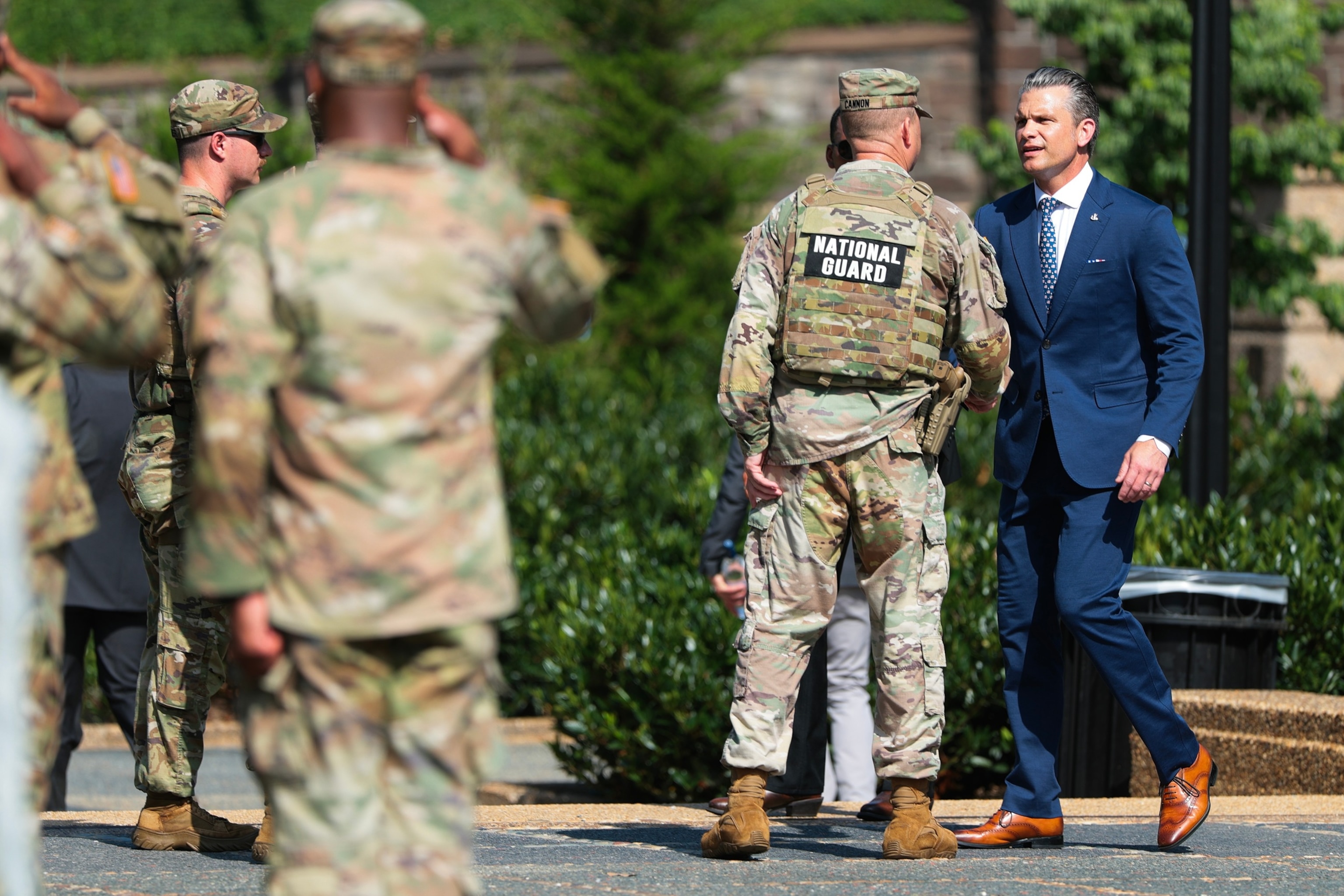
Secretary of War Pete Hegseth greets members of the U.S. National Guard after an event at Meridian Hill Park on July 02, 2026 in Washington, DC.
Anna Moneymaker/Getty Images
As the judge considers the future of the case, she requested more information about the guidelines for screening testosterone deficiency, the similarities between masculinizing hormone therapy for trans men and testosterone replacement therapy prescribed for other service members with low testosterone, and the Pentagon's basis for "treating trans men and other service members differently."
Testosterone deficiency (hypogonadism) is a recognized medical condition in which the body does not produce enough testosterone and may be treated with testosterone replacement therapy.
"The Court must assess the impact of this newly announced policy on the parties' positions," Reyes wrote, citing Hegseth's announcement about offering soldiers hormone replacement therapy.
Hegseth addressed servicemembers in a video posted to X on July 15, saying the battlefield "requires and demands maximum psychological and mental readiness. And by addressing these health markers early, we're keeping you on the leading edge of lethality and giving you the same level of support that you give this nation: the absolute best."
Reyes is presiding over one of the main lawsuits challenging the Pentagon's transgender ban, which she ruled last year was unlawful. An appeals court upheld part of her order earlier this year, though the protections only applied to the plaintiffs in the case.
The Supreme Court has allowed the Trump administration to carry out the ban while the lawsuits move through the courts. The D.C. Circuit handed the case back to Reyes earlier this year, and she recently certified a class in the lawsuit to potentially expand the protections beyond the plaintiffs.
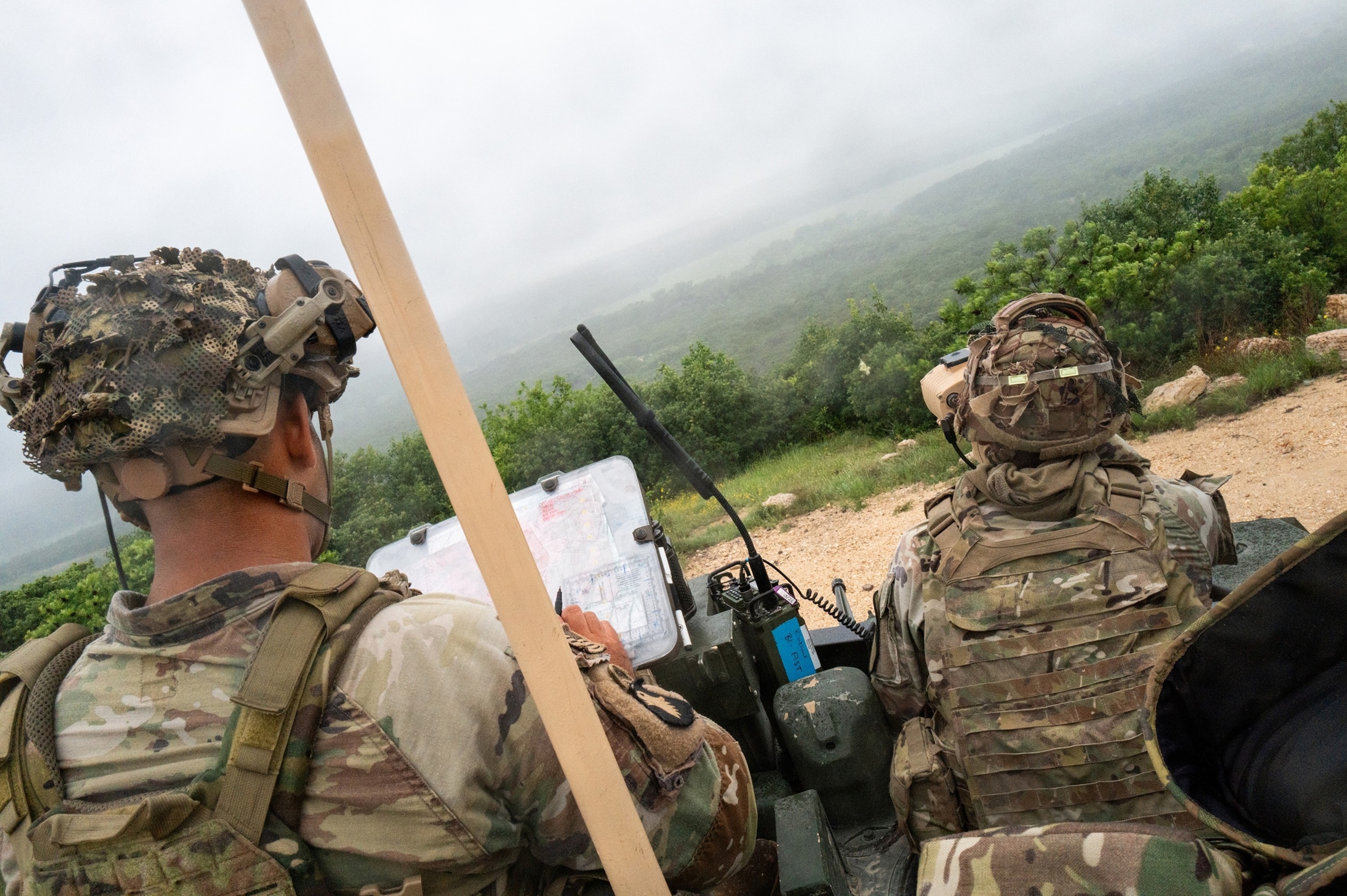
Army soldiers with the 1st Battalion, 82nd Artillery Regiment, 1st Cavalry Division Artillery lookout atop a M109 A7 Paladin self propelled Howitzer during live fire training on April 29, 2026 in Fort Hood, Texas.
Brandon Bell/Getty Images
In her ruling last year blocking the policy, Reyes cast doubt on the Pentagon's health and fitness justification for its transgender soldier ban, arguing the ban is "soaked in animus and dripping with pretext."
"Its language is unabashedly demeaning, its policy stigmatizes transgender persons as inherently unfit, and its conclusions bear no relation to fact," she noted.
Reyes also noted that the Pentagon's concerns about the costs of hormone therapy and concerns about fitness would apply to cisgender soldiers as well, though it was only used as a basis to target transgender soldiers.
"If the health concern were genuine, the Policy would apply to all people who have received any kind of hormone therapy or genital reconstruction surgery. But it does not," Reyes said last year.
The Pentagon told ABC News it wouldn't comment on pending litigation.






 English (US) ·