
 1 hour ago
2
1 hour ago
2
A far-right Republican candidate in Florida’s governor’s race has been accused of stiffing a high school debate champion over the better part of $11,000 in scholarship money she won from a company he founded.
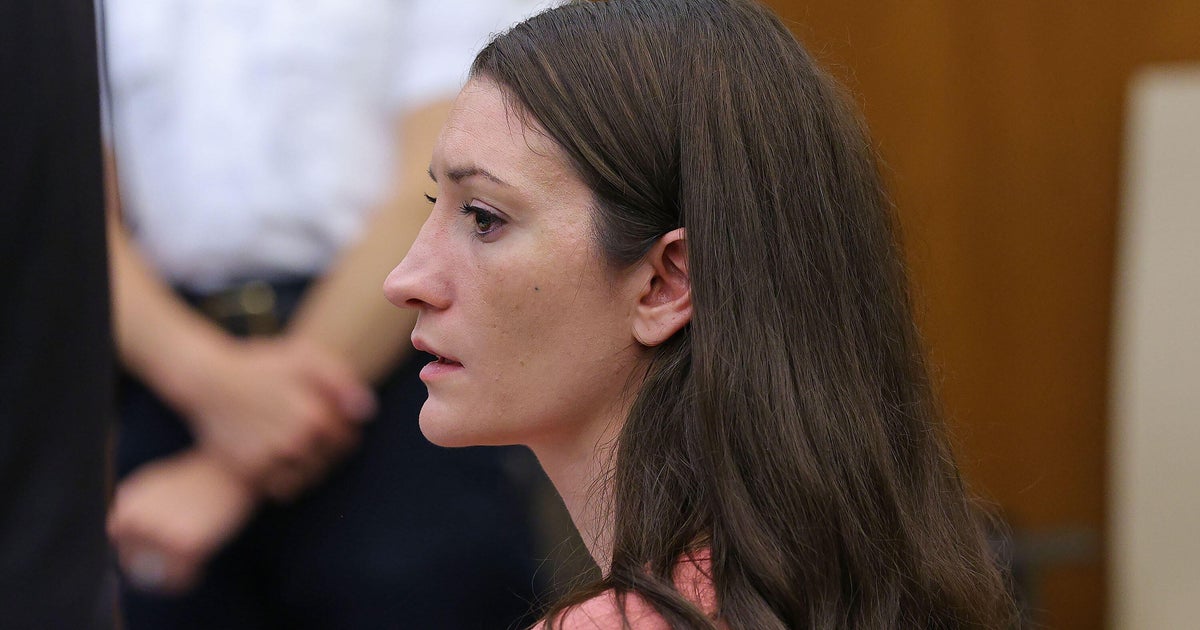
Student Briana Whatley landed the awards as regional and national champion of Incubate Debate, a league-style competition set up by the candidate, James Fishback, to encourage youth to engage in political discourse.
A recording posted to Substack by Fishback in May 2024 shows Whatley, now a second-year history student at Florida State University, accepting a $10,000 check for besting seven other finalists in the 2024 Incubate Debate national championship, adding to two $500 area awards she previously won.
According to Florida Politics, Whatley is suing Fishback for not delivering $8,000 of the money that a letter from the company promised would be paid to her in full on the day she graduated high school in May last year.
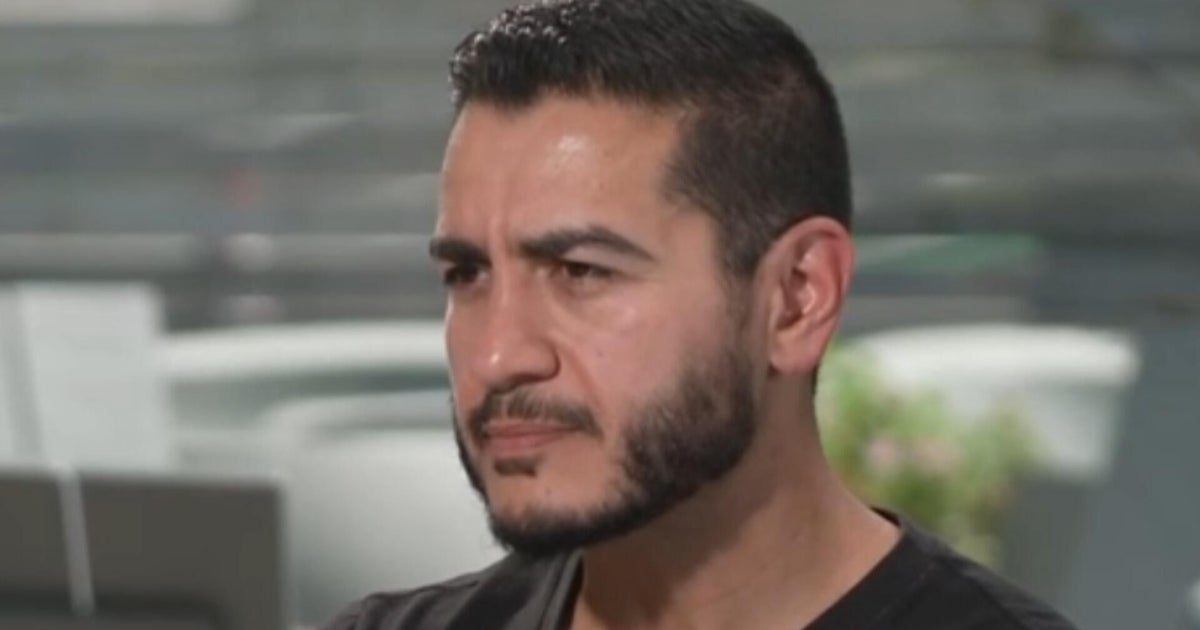
The filing names Incubate Foundation Inc, the parent of Incubate Debate, and Fishback, 31, who is challenging front-running US congressman Byron Donalds, and Jay Collins, the lieutenant governor of Florida, for the Republican nomination for state governor in November.
The candidates face off in an 18 August primary.
Whatley’s lawsuit, seen by the Guardian, was filed in small claims court in Broward county, where both she and Fishback went to school. Among the allegations are that Incubate Debate initially failed to respond to emails asking where the money was, then tried to change the terms of how it would be paid to her.
Fishback, it said, “personally evaded and defrauded Plaintiff by initially ignoring communications, later blaming a terminated employee for the written award terms, falsely claiming an unwritten ‘installment policy,’ and delaying payment for months”.
The document said Fishback admitted he “totally dropped the ball on this one” in a November 2025 text asking her to resend her bank details, then in December paid only $3,000 via Zelle.
In another text, Fishback allegedly claimed that the employee who sent the original award letter promising payment in full on graduation had been fired, and that installment payments had “always been the case”, despite no previous mention of it.
The text exchanges indicate a previously cordial relationship between the pair, with Fishback calling Whatley “a star”, and the student thanking him for “wanting to make it right”.
Whatley claims Fishback broke off communication five months ago after she questioned why a promised 1 February installment was not paid. She is suing for the outstanding $8,000 plus interest and costs, and a pretrial conference is scheduled for 9 September.
Whatley, the lawsuit said, has “suffered severe financial injury and out-of-pocket damages” as a result of Fishback’s alleged failure to pay.
The Guardian has contacted Fishback for comment.
In a court ruling last week, Fishback survived a legal challenge by Collins to remove him from this month’s primary.
A judge in Tallahassee ruled that Fishback had not violated a rule requiring a gubernatorial candidate to be a resident of the state for seven years prior to the election, even though he bought a condo in Washington DC in 2020 that he declared his primary residence, and voted there.
The lawsuit over scholarships follows a May 2023 episode in which Fishback and Whatley appeared to be on the same page in their criticism of the National Speech and Debate Association (NSDA), a rival to Incubate Debate, over censorship.
Fishback wrote an essay for The Free Press, then owned by Bari Weiss, the CBS news editor-in-chief, stating that the NSDA had become a “woke” organization “hijacked by left-wing politics” that was telling students what they could and could not talk about.
Whatley, then a high school sophomore, told Fox News Digital that she was warned by the organization to refrain from bringing up then former president Donald Trump during debates because it would be “inappropriate”.






 English (US) ·