
 18 hours ago
4
18 hours ago
4
Eighteen months into the 24 it turned out he would last in No 10, Keir Starmer was a man in a hurry. The biggest frustration with the job, he told MPs, concerned “speed and the ability to get things done”. The underlying problem, he thought, was that every time something had gone wrong in the past, “successive governments have put in place another procedure or another body or another consultation to try to stop ourselves ever making a mistake again”.
In airing his impatience, if little else, Starmer is in tune with the country he has become too unpopular to lead. Julian Gallie, a pollster at Merlin Strategy, says voters have been “crying out for change for a decade”, even if they have sent inconsistent signs about what sort of change it should be. The Brexit vote, the Corbyn surge of 2017, the Johnson majority of 2019 and the Tory rout of 2024 can all be seen as “a desperate roll of the dice against a status quo” that somehow feels impossible to shift.
History suggests that the single most useful tool in shaking off stupor is something Andy Burnham doesn’t obviously have – an emergency. The classic case is Franklin Roosevelt’s first 100 days. It wasn’t just eloquence but the ubiquitous bankruptcies, redundancies and collapsing banks of America in 1933 that enabled him to bulldoze 15 major laws through a rancorous Congress.

The British war cabinet’s sudden embrace of full political union with France in June 1940 is less remembered, only because the speed of the emergency overtook that plan. When faced in 2008 with the cashpoints running dry within hours, a UK government that had just spent months dithering over little Northern Rock suddenly summoned the resolve to nationalise half the banking system. In the pandemic, a blitzkrieg of new laws locked citizens in their homes while slumbering bureaucracies awoke and improvised ways to pay for people to stay off work. Previously unbendable protocols about everything from data governance to public procurement were summarily swept aside.
Absent the threat of mass death or ruin, has the British machinery of state – as Starmer implied – simply got too gummed-up to move? The outgoing prime minister’s colleagues are hoping that the real reason Labour has so often seemed marooned in power is more personal than institutional. Lisa Nandy is one voice around the top table predicting that Andy Burnham’s administration will immediately be “faster and bolder”.
It’s not a daft hope. Starmer is, despite his protestations, the embodiment of what Francis Fukuyama calls the politics of “procedural fetishism”, someone whom the American sage recently told me seemed as if he “just didn’t want to take any of the risks” that effective leaders instinctively grip. Sometimes, they may do so by hamming up routine dilemmas into a crisis. In 2010, George Osborne talked up the possibility of (sovereign and credit-worthy) Britain going down the path of stricken Greece. Meanwhile, he sharpened the steel for deep cuts in public expenditure, which he started imposing just 46 days after arriving in No 11.

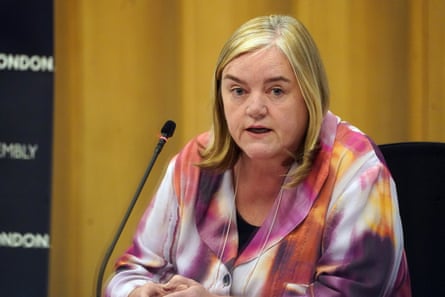
Starmer, by contrast, is a very careful former lawyer, who set missions, milestones and “first steps”, but never quite direction. Notoriously, he batted any question about Israeli war crimes in Gaza away by pointing to glacial international proceedings. He shunted responsibility for the stricken state of social care to an independent commission, asked to report back only in 2028. Its chair, Louise Casey, talks pointedly – and with what sounds like pre-emptive frustration – about having “had a really good look at the 22 previous commissions, reviews, green papers and white papers”.
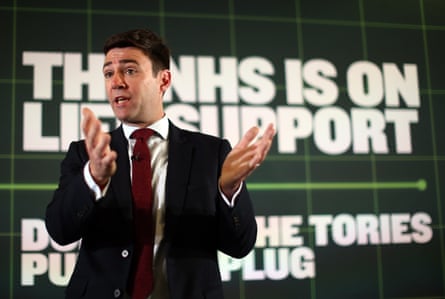
Having agitated for a comprehensive care service since his days as health secretary, Burnham now sounds like exactly the leader Casey is yearning for, vowing to expend “political capital” on a solution. And yet the public finances make it rash to assume that the substitution of “political will” for “political won’t” will be enough to get care fixed. Every meaningful proposal for reform – cost caps, cost sharing, entitlement guarantees, workforce upgrades – involves spending more. Is Burnham, a leader who has got to the top by showering empathy in all directions, really going to be able to requisition the resources needed at speed?
The former Greater Manchester mayor recently voiced concerns about the employers and the pensioners hit by Rachel Reeves’s two big tax rises, and hinted at easing off a bit. Care is only one example of the pressing priorities that need public funds fast. The new PM will immediately need to match his proven talent for making friends with a willingness to risk making enemies in raising cash. An early tax-raising budget could be a signal that there is a plan with momentum; a nervous delay, like that before Rachel Reeves first held the red box aloft, would foreshadow a failure to take the brakes off.
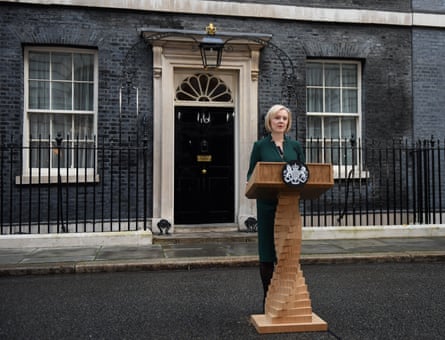
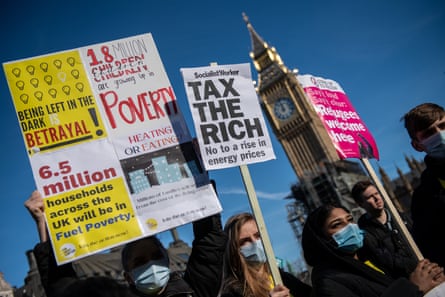
Burnham needs to take special care to avoid being caught in the snares of high office when it comes to the cost of living. Cheaper essentials would transform everything – if the reductions could be made to stick. But the fact that the one prime minister who moved most decisively to cap fuel bills was Liz Truss underscores the tension between quicksilver ambitions and stubborn fiscal realities.
The political economist Michael Jacobs, a longstanding member of Andy Burnham’s informal brains trust, thinks he can spy a winning way through nonetheless. Rather than capping all household energy, like Truss, he suggests Burnham subsidises unit prices only up to a certain level of use, well below the average. This would roughly halve the cost.
Where Truss rashly borrowed for her fuel subsidy scheme as well as her pet tax cuts, Jacobs wants Burnham to fund his by jacking-up the charge on capital gains to match income tax. Policy purists would worry about the failure to target support on the poorest and the draughtiest homes. But this straightforward transfer to just about everybody could be done quickly, and – in a funny way – the louder the howls of anguish from the capital-holders paying the bill, the more unmissable “change” would be.
after newsletter promotion
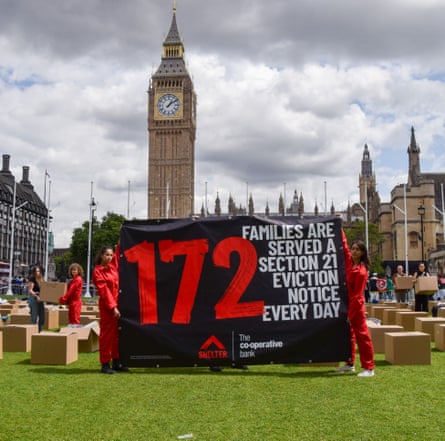
Another proposal from Jacobs combines tangible support for some with a noisy argument with others: a temporary rent freeze. Again, policy purists will fret. Some landlords may prefer to sell properties than accept lower returns, leaving fewer options for renters. Jacobs is undeterred. He thinks that the state could, without a full-on rewrite of the fiscal rules, respond by snapping up such homes for the social stock.
While the row with the buy-to-let brigade plays out, he envisages the state getting cracking with mass council house building. Nationwide development corporations could organise the logistics. Powers, some of which already exist, would be pursued to the max to ensure that the huge uplift in the price of land when development is granted gets captured by the public, not established owners.
It’s not only big-spending leftists who can spy rapid ways of making life cheaper. Tim Leunig is a resolutely pro-competition economist who has just been announced as Lib Dem peer, and also a man who knows how to do things fast. He was the brains behind the pandemic furlough and advised the then-Chancellor Rishi Sunak on how to get it up and running in weeks.
Today he offers a long list of cheap, easy wins: supporting leaseholders by immediately abolishing ground rents; giving customers access to insurance algorithms; giving Virgin Media’s rivals access to its cable network; allowing manufacturers of cheap generic drugs to emblazon their equivalence to Nurofen or Clarityn on the packet. All of these would require an early row with a vested interest. But the effect each time would be one cosy corporatism rarely achieves: making something specific cheaper.
The need for speed flows out of two things that Julian Gallie discerns in the minds of the voters: impatience and deep doubts that politics can ever make any difference. Even the most gifted politician will struggle to defuse impatience completely, because many problems – from the wage-sapping legacy of underinvestment to the dearth of trained mental health professionals – will, unavoidably, take time to fix.
But even the most impatient voter will probably see that some change is bound to be slow – and many may be inclined to give Burnham time so long as they discern enough momentum to dispel that great fear that all politicians do is talk. Jacobs’ and Leunig’s suggestions are helpful here because they have one thing in common beyond pace: they are steps that the public will very likely notice.
Any caricature of the Starmer government as uniformly sluggish isn’t fair. Despite the grumbles of the man at the top, nothing stopped it from proving quite dynamic on renters’ rights, employment rights and net zero. What distinguished these areas from all others was that the government had figured out exactly what it wanted to do. The huge question for Burnham will be whether he knows his own mind about where he wants to go. Once he’s mastered the steering wheel, pressing the accelerator is much less of a problem.
-
Tom Clark is a contributing editor at Prospect magazine








 English (US) ·