Greater Accra Intensifies Pre-Monsoon Flood Mitigation Efforts Ahead of Peak Rains
📍 Accra • by Blitano • Jun 08, 2026
OFFICIAL REPORT ON PRE-MONSOON FLOOD MITIGATION EXERCISES ACROSS THE GREATER ACCRA REGION
FROM: The Regional Minister, Greater Accra Regional Coordinating Council (GARCC)
TO: All Stakeholders, Media Houses and the General Public
DATE: June 8, 2026
SUBJECT: Comprehensive Status Report on Proactive Flood Mitigation Interventions and Civil Responsibility Ahead of the Peak Rainy Season
1. Executive Summary
In anticipation of the impending peak rainy season, the Greater Accra Regional Coordinating Council (GARCC), in strategic collaboration with the Regional Flood Committee, has executed a series of rigorous, proactive flood mitigation interventions across the region's Metropolitan, Municipal and District Assemblies (MMDAs). Guided by the empirical findings of a comprehensive baseline survey led by the Chairman of the Flood Committee, Hon. Stan Dogbe, all Metropolitan, Municipal and District Chief Executives (MMDCEs) were issued strict, non-negotiable operational directives.
This report provides a formal overview of the extensive engineering, sanitation and enforcement operations undertaken, which were personally supervised by my office and the GARCC engineering teams. It also serves as a strategic call to action regarding the indispensable role of civic discipline in achieving sustainable flood management.
2. Evidence-Based Interventions and Field Operations
The directives issued to the MMDCEs were executed with meticulous precision, backed by exhaustive photographic and video documentation verifying the completion of works across vulnerable hotspots. The core operational pillars included:
A. Major Channel Dredging and Desiltation
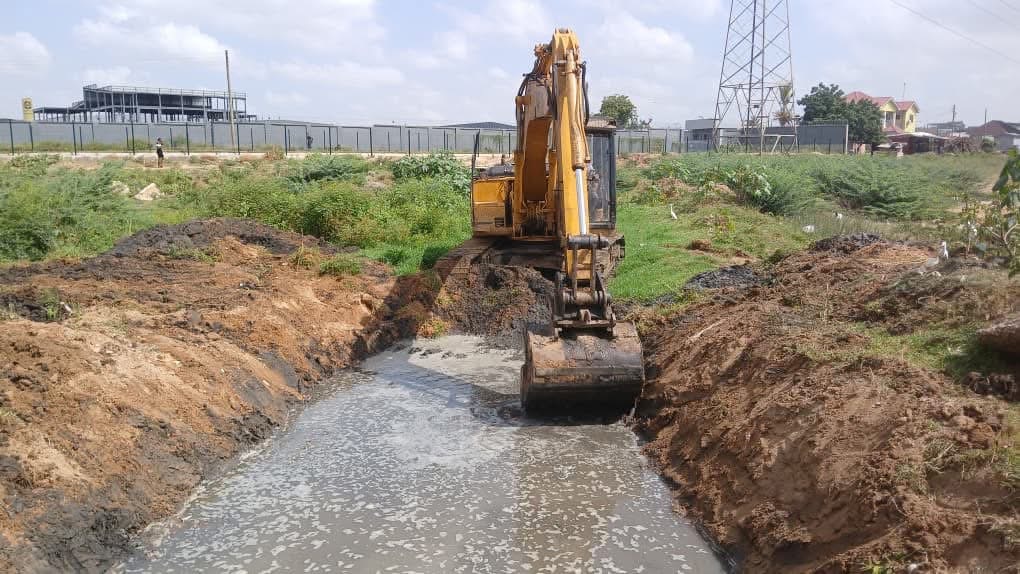
• Action: Deep-tier dredging of primary and secondary drainage channels that serve as major arterial conduits for stormwater runoff.
• Impact: Removed years of accumulated silt and heavy debris, significantly restoring the volumetric carrying capacity of critical basins and preventing premature overbanking.
B. Clearing of Primary and Secondary Gutter Networks
• Action: Intensive desilting and clearing of choked neighborhood gutters and culverts across all jurisdictions.
• Impact: Eliminated localized blockages caused by improperly disposed solid waste, ensuring uninterrupted municipal stormwater flow into primary channels.
C. Restoration of Natural Waterways and Ecological Zones
• Action: Targeted demolition of unauthorized permanent and temporary structures encroaching upon ecologically sensitive areas, wetlands, and natural floodplains.
• Impact: Restored the natural right-of-way for stormwater, eliminating artificial bottlenecks that historically forced floodwaters into nearby residential and commercial precincts.
3. Oversight and Quality Assurance
To guarantee compliance and prevent cosmetic or substandard execution, the GARCC instituted a rigorous oversight framework.
Ministerial Oversight Statement:
I personally led high-level monitoring delegations, alongside technical directors from the Regional Coordinating Council, to conduct unannounced on-site inspections. Our physical verification, cross-referenced with the multimedia evidence submitted by the MMDAs, confirms that the structural and sanitation objectives set by the Hon. Stan Dogbe committee have been thoroughly met.
4. The Critical Element: Behavioral Change and Civic Responsibility
While the government has deployed significant capital, heavy machinery, and human resources to fortify the region's infrastructure, these physical interventions represent only one side of the equation.
The structural integrity of our drainage systems is perpetually compromised by unsustainable human activities. If we are to achieve a flood-resilient capital, a profound paradigm shift in public attitude is mandatory.
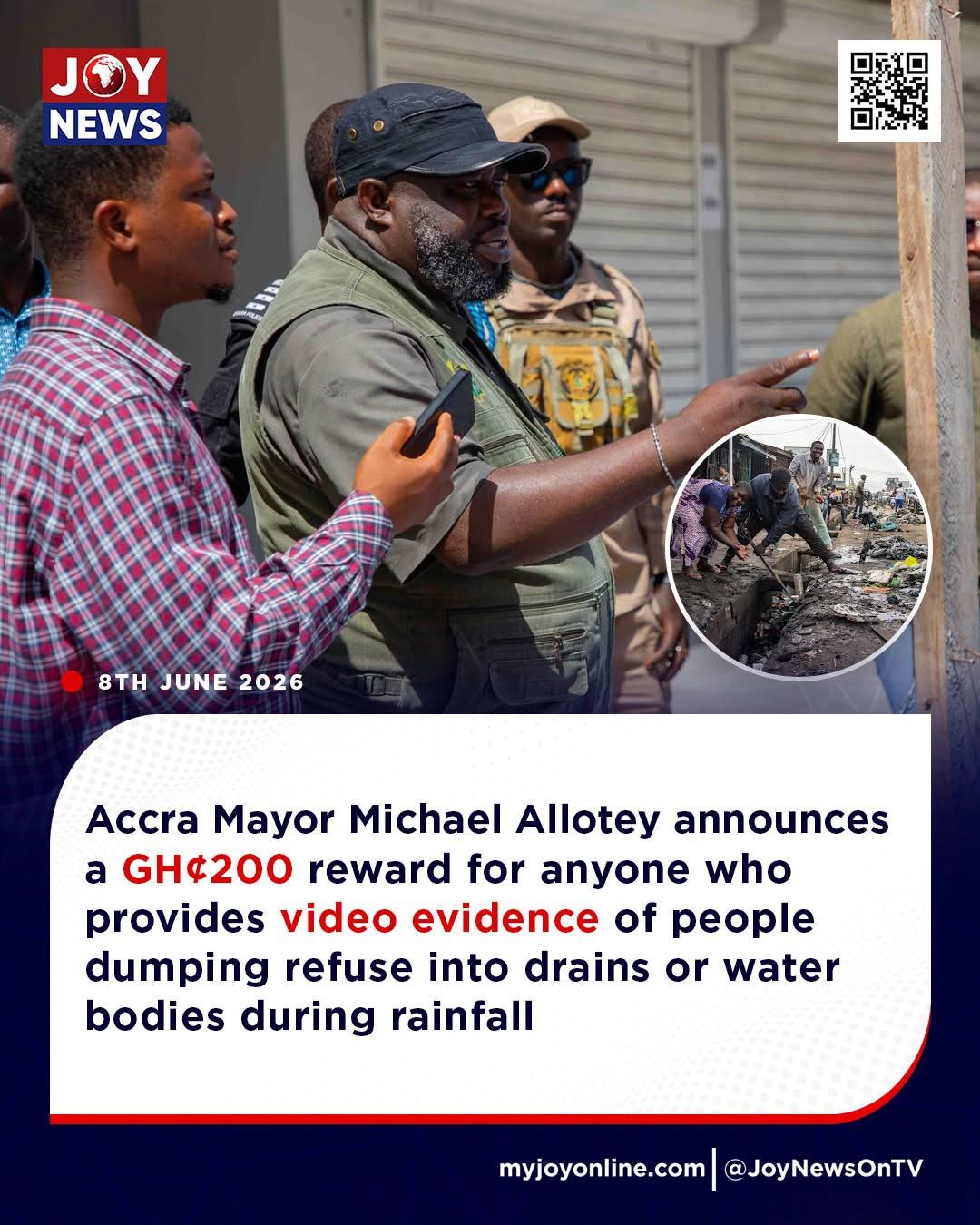
• Waste Management Discipline: Citizens must completely desist from the archaic and destructive practice of converting open drains and gutters into waste disposal sites, particularly during rain events.
• Zoning Compliance: Developers must respect spatial planning laws and cease building without permits in flood-prone lowlands or along greenbelts.
5. Conclusion and Strategic Outlook
The Greater Accra Regional Coordinating Council has demonstrated its unwavering commitment to safeguarding lives and property through robust, preemptive governance. The infrastructure has been cleared, the bottlenecks have been removed and the waterways have been reclaimed.
However, engineered solutions can only mitigate disasters to a certain threshold. The ultimate eradication of perennial flooding in Accra relies on the collective conscience of its inhabitants. If we can remain clear-headed, straightforward and introspective critically auditing our daily attitudes and permanently correcting our waste disposal habits, flood mitigation will transform from a seasonal government struggle into a sustainable civic reality.
Signed,
Hon. Linda Obenewaa Akweley Ocloo
The Regional Minister
Greater Accra Regional Coordinating Council (GARCC)
FROM: The Regional Minister, Greater Accra Regional Coordinating Council (GARCC)
TO: All Stakeholders, Media Houses and the General Public
DATE: June 8, 2026
SUBJECT: Comprehensive Status Report on Proactive Flood Mitigation Interventions and Civil Responsibility Ahead of the Peak Rainy Season
1. Executive Summary
In anticipation of the impending peak rainy season, the Greater Accra Regional Coordinating Council (GARCC), in strategic collaboration with the Regional Flood Committee, has executed a series of rigorous, proactive flood mitigation interventions across the region's Metropolitan, Municipal and District Assemblies (MMDAs). Guided by the empirical findings of a comprehensive baseline survey led by the Chairman of the Flood Committee, Hon. Stan Dogbe, all Metropolitan, Municipal and District Chief Executives (MMDCEs) were issued strict, non-negotiable operational directives.
This report provides a formal overview of the extensive engineering, sanitation and enforcement operations undertaken, which were personally supervised by my office and the GARCC engineering teams. It also serves as a strategic call to action regarding the indispensable role of civic discipline in achieving sustainable flood management.
2. Evidence-Based Interventions and Field Operations
The directives issued to the MMDCEs were executed with meticulous precision, backed by exhaustive photographic and video documentation verifying the completion of works across vulnerable hotspots. The core operational pillars included:
A. Major Channel Dredging and Desiltation
• Action: Deep-tier dredging of primary and secondary drainage channels that serve as major arterial conduits for stormwater runoff.
• Impact: Removed years of accumulated silt and heavy debris, significantly restoring the volumetric carrying capacity of critical basins and preventing premature overbanking.
B. Clearing of Primary and Secondary Gutter Networks
• Action: Intensive desilting and clearing of choked neighborhood gutters and culverts across all jurisdictions.
• Impact: Eliminated localized blockages caused by improperly disposed solid waste, ensuring uninterrupted municipal stormwater flow into primary channels.
C. Restoration of Natural Waterways and Ecological Zones
• Action: Targeted demolition of unauthorized permanent and temporary structures encroaching upon ecologically sensitive areas, wetlands, and natural floodplains.
• Impact: Restored the natural right-of-way for stormwater, eliminating artificial bottlenecks that historically forced floodwaters into nearby residential and commercial precincts.
3. Oversight and Quality Assurance
To guarantee compliance and prevent cosmetic or substandard execution, the GARCC instituted a rigorous oversight framework.
Ministerial Oversight Statement:
I personally led high-level monitoring delegations, alongside technical directors from the Regional Coordinating Council, to conduct unannounced on-site inspections. Our physical verification, cross-referenced with the multimedia evidence submitted by the MMDAs, confirms that the structural and sanitation objectives set by the Hon. Stan Dogbe committee have been thoroughly met.
4. The Critical Element: Behavioral Change and Civic Responsibility
While the government has deployed significant capital, heavy machinery, and human resources to fortify the region's infrastructure, these physical interventions represent only one side of the equation.
The structural integrity of our drainage systems is perpetually compromised by unsustainable human activities. If we are to achieve a flood-resilient capital, a profound paradigm shift in public attitude is mandatory.
• Waste Management Discipline: Citizens must completely desist from the archaic and destructive practice of converting open drains and gutters into waste disposal sites, particularly during rain events.
• Zoning Compliance: Developers must respect spatial planning laws and cease building without permits in flood-prone lowlands or along greenbelts.
5. Conclusion and Strategic Outlook
The Greater Accra Regional Coordinating Council has demonstrated its unwavering commitment to safeguarding lives and property through robust, preemptive governance. The infrastructure has been cleared, the bottlenecks have been removed and the waterways have been reclaimed.
However, engineered solutions can only mitigate disasters to a certain threshold. The ultimate eradication of perennial flooding in Accra relies on the collective conscience of its inhabitants. If we can remain clear-headed, straightforward and introspective critically auditing our daily attitudes and permanently correcting our waste disposal habits, flood mitigation will transform from a seasonal government struggle into a sustainable civic reality.
Signed,
Hon. Linda Obenewaa Akweley Ocloo
The Regional Minister
Greater Accra Regional Coordinating Council (GARCC)
👁️ 8 Total Views