For the first time, Ghana Police Council’s Junior Rank representative gets a dedicated office
📍 Ghana • by iamkingvinis • Jun 08, 2026
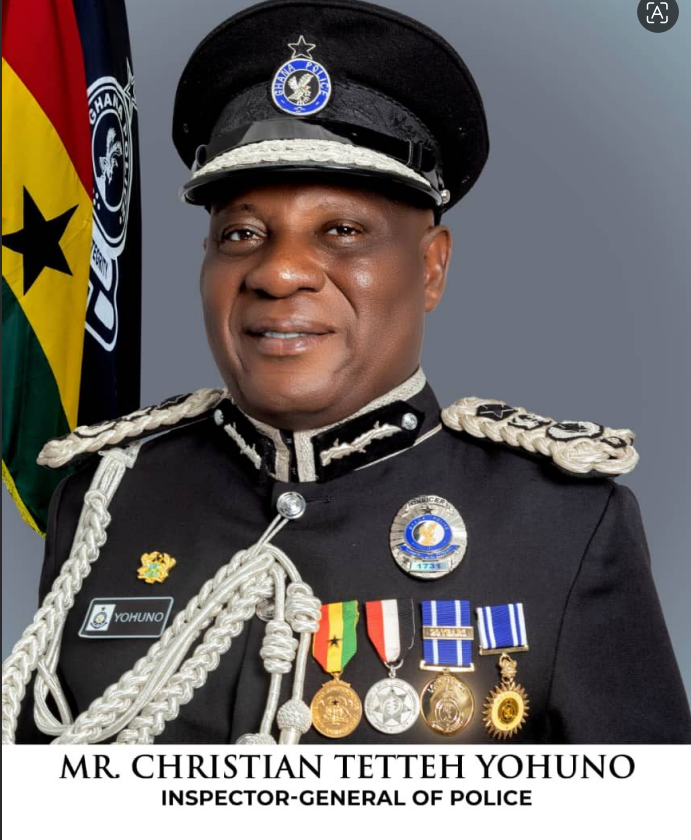
For the first time in the decades-long history of the Police Council of Ghana, the representative of junior-rank officers has been allocated a dedicated office, a quiet yet monumental shift in how the voices of the men and women who form the backbone of Ghana's law enforcement are heard and managed at the highest institutional level. The Police Council is Ghana's highest statutory body responsible for advising the President on matters relating to policy, administration, and the general welfare of the Ghana Police Service. Established under the 1992 Constitution and given legal force through the Police Service Act, the Council has long included representation from various government and institutional stakeholders. Within this Council sits a representative for junior-rank officers, those who make up the vast majority of the Service. These are the Constables, Corporals, and Sergeants on the streets of Accra, Tamale, Kumasi, and every district in between. They are the first responders, the community police officers, the investigators at the grassroots level. They outnumber their senior counterparts many times over.
Yet, until now, the representative tasked with carrying their concerns to the nation's highest policing body had no dedicated space from which to work.
For decades, the institutional architecture of the Ghana Police Service has expanded significantly. New regional commands have been created, the service has modernised its communications and training infrastructure, and Ghana's police officers have been deployed on international peacekeeping missions that have earned global commendation.
But within all this growth, a symbolic and practical gap persisted: the junior rank representative on the Police Council had no formal base of operations.
Yet, until now, the representative tasked with carrying their concerns to the nation's highest policing body had no dedicated space from which to work.
For decades, the institutional architecture of the Ghana Police Service has expanded significantly. New regional commands have been created, the service has modernised its communications and training infrastructure, and Ghana's police officers have been deployed on international peacekeeping missions that have earned global commendation.
But within all this growth, a symbolic and practical gap persisted: the junior rank representative on the Police Council had no formal base of operations.
👁️ 5 Total Views